Skip to content

In the fast-evolving world of product design, color is never just a visual choice; it is a silent communicator of value, emotion, and era. As we move through 2026, a distinct shift is occurring in the aisles of high-end boutiques and the showrooms of tech giants. We are witnessing the resurgence of the “Golden Era” —a color palette defined by deep bronzes, warm coppers, and the timeless luster of gold.
For brand owners and packaging designers, this isn’t just a nostalgic trip. It is a strategic response to a world craving warmth, tactile luxury, and “phygital” (physical + digital) harmony. At the heart of this transformation lies a humble yet high-tech material: Bronze Powder.

1. The Psychology of the “Golden Era” in 2026
Why is gold returning now? After years of “Digital Minimalism” dominated by cold silvers, matte blacks, and clinical whites, consumers are experiencing “tech-fatigue.”
In 2026, the “Golden Era” palette represents “Warm Resilience.” It evokes a sense of heritage and stability. Unlike the flashy, bright yellows of the early 2000s, today’s metallic trend favors:
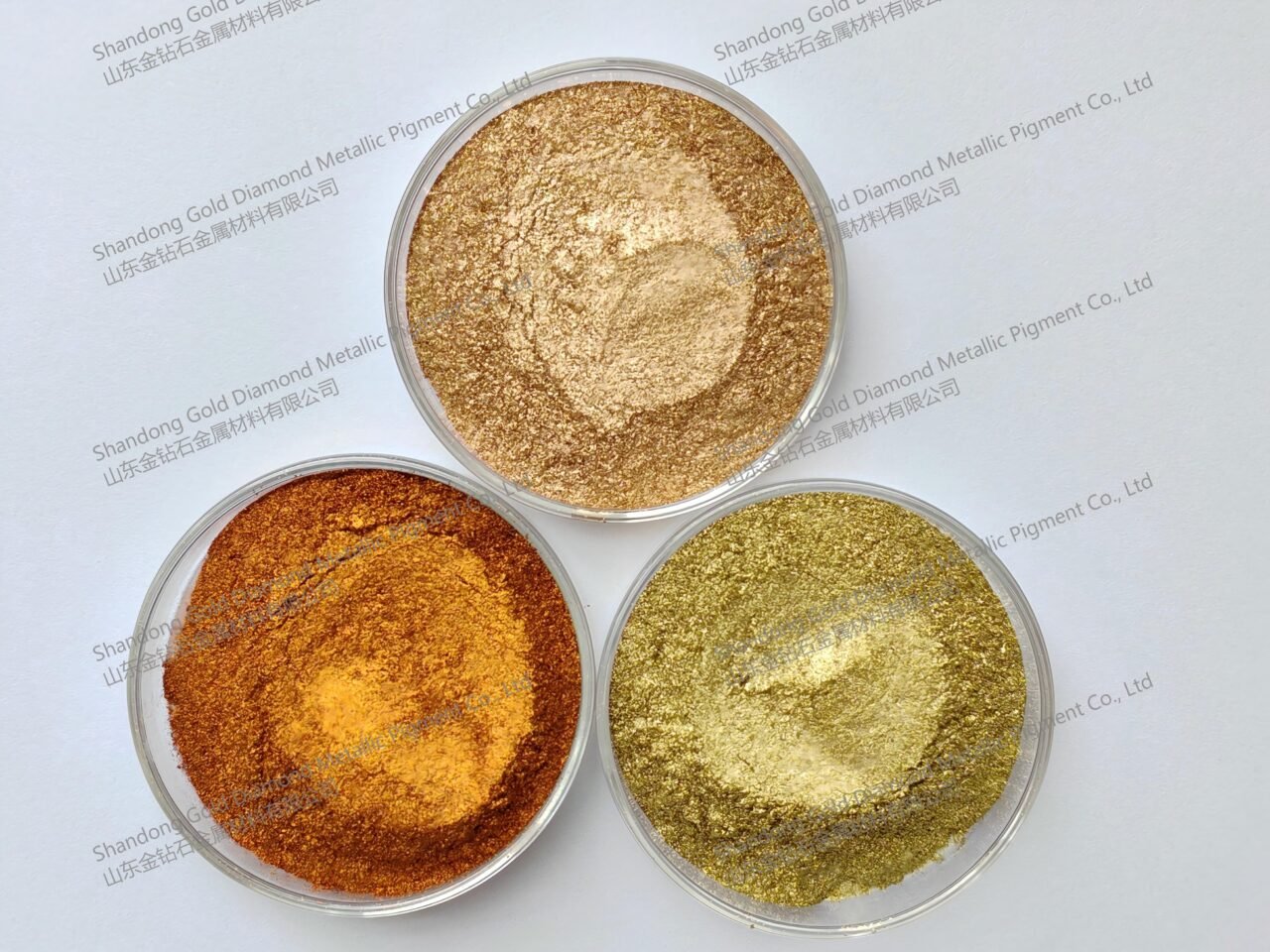
Champagne Bronze: Subtle, sophisticated, and gender-neutral.
Rose-Copper: Emotional, soft, and human-centric.
Deep Antique Gold: Authoritative and artisanal.
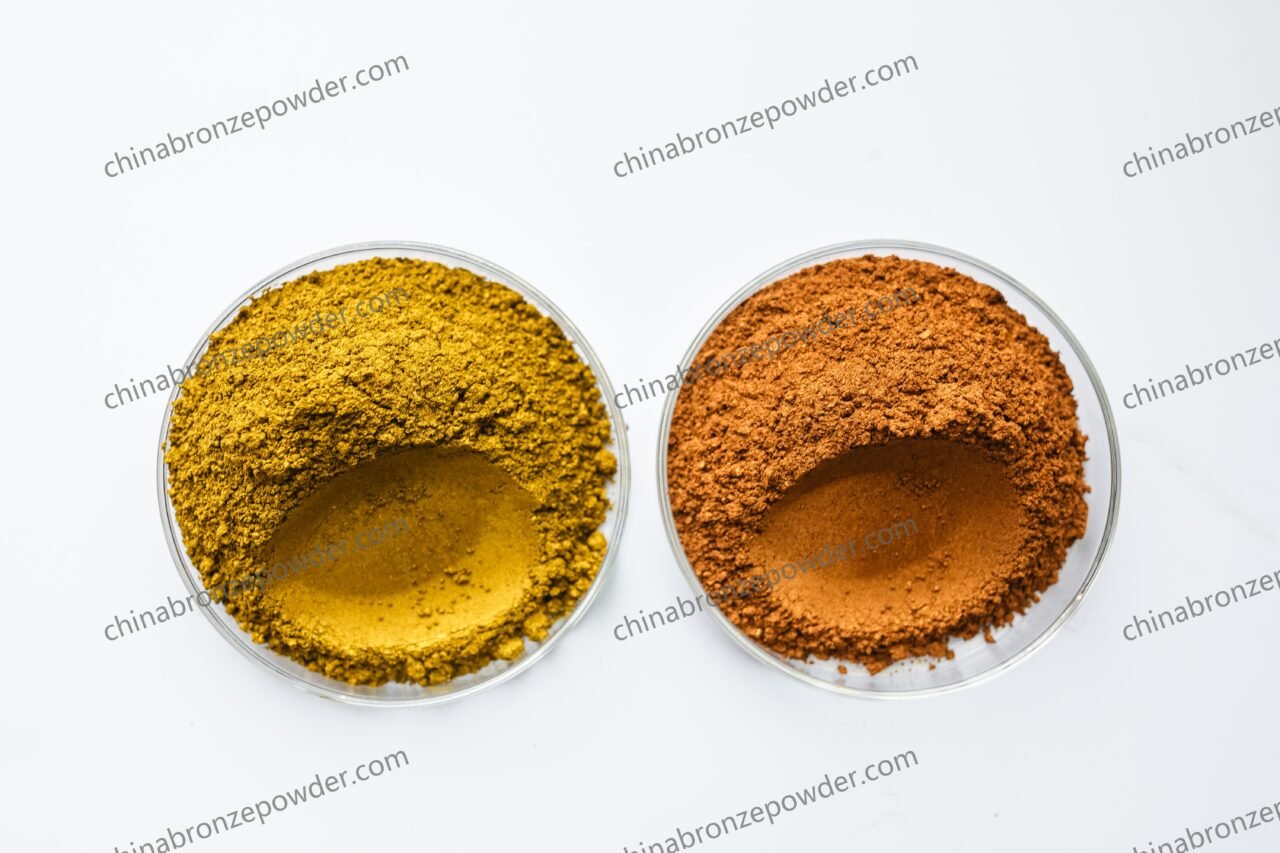
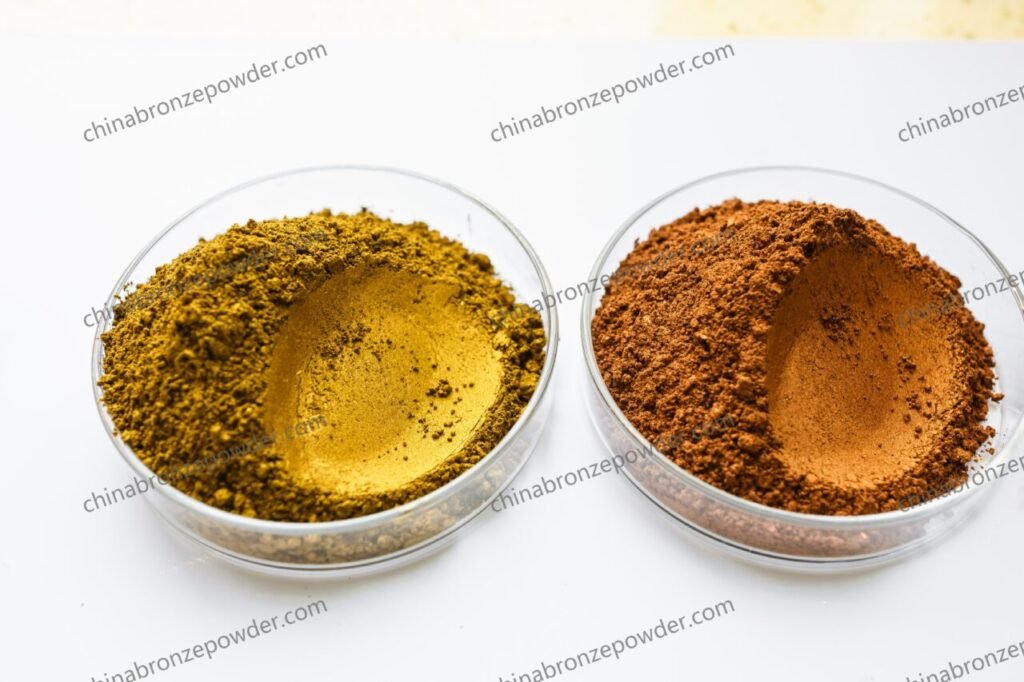
These tones, achieved through varying grades of copper-zinc alloys (Bronze Powder), provide a “sensory anchor” in an increasingly virtual world.

2. Consumer Electronics: From “Gadget” to “Jewelry”
The consumer electronics sector has undergone a radical CMF transformation. Smartphones, wearables, and even home AI hubs are no longer viewed merely as tools—they are fashion statements and interior decor pieces.
The “Satin Metal” Revolution
In 2026, the trend has moved away from hyper-glossy finishes toward Satin and Silk Metallics. By utilizing ultra-fine particle size Bronze Powders (often in the 800–1200 mesh range), manufacturers can create a finish that feels like “liquid silk.”
Impact: When applied to laptop chassis or smartphone frames, these pigments interact with light to create soft gradients rather than harsh reflections. This reduces the “coldness” of the metal and makes the device feel more approachable and premium.
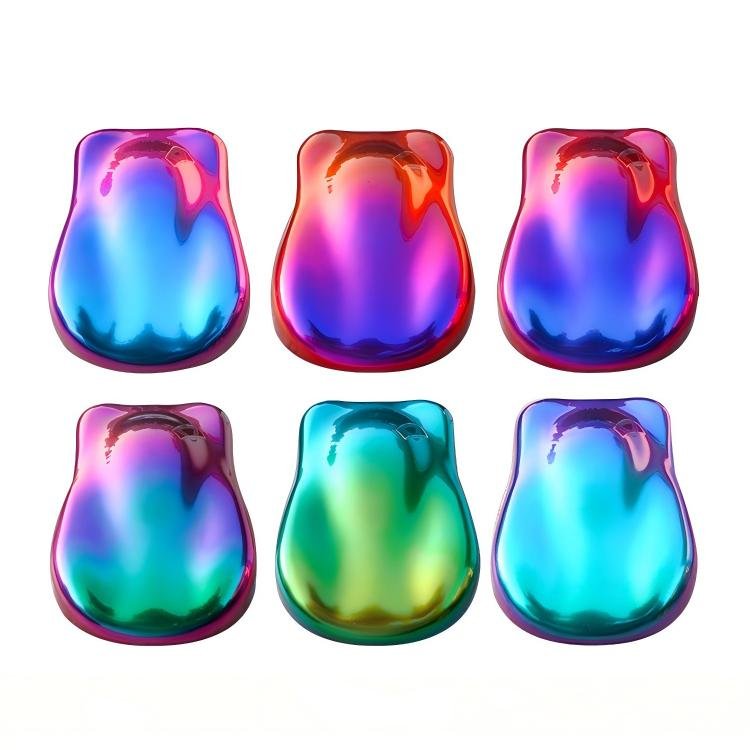
The Copper Advantage: Bronze Powder allows for a richer “depth of field” than traditional organic pigments. It offers an inherent metallic “flop” (the change in color based on viewing angle) that plastic-based dyes simply cannot replicate.
3. Cosmetics Packaging: The New Standard of Luxury
If electronics are about “Satin Silk,” the cosmetics industry in 2026 is about “Radiant Opulence.” In a saturated market, the weight and “shimmer” of a lipstick tube or a skincare jar are the primary drivers of perceived value.
Visual Storytelling through Metallic Pigments
Cosmetic brands are using Bronze Powder to create “story-driven” packaging:
The “Sun-Drenched” Look: Using gold pigments with larger particle sizes to create a sparkling, sun-kissed effect on summer collection compacts.
The Heritage Aesthetic: Using oxidized bronze tones to suggest a brand’s long-standing history and reliability.
Furthermore, as the industry moves toward refillable packaging, the durability of the exterior finish becomes paramount. High-quality Bronze Powders, treated with advanced anti-oxidation coatings, ensure that a “luxury” case stays luxurious for years of use, resisting the tarnishing effects of oils and humidity.
4. The Technical Artistry: How Bronze Powder Enables the Trend
As a leading manufacturer, we know that achieving the “Golden Era” look is not a “one-size-fits-all” process. The science behind the sparkle is what separates a “cheap gold” from a “Golden Era masterpiece.”
The Importance of Leafing vs. Non-Leafing
The 2026 trends require a deep understanding of pigment orientation:
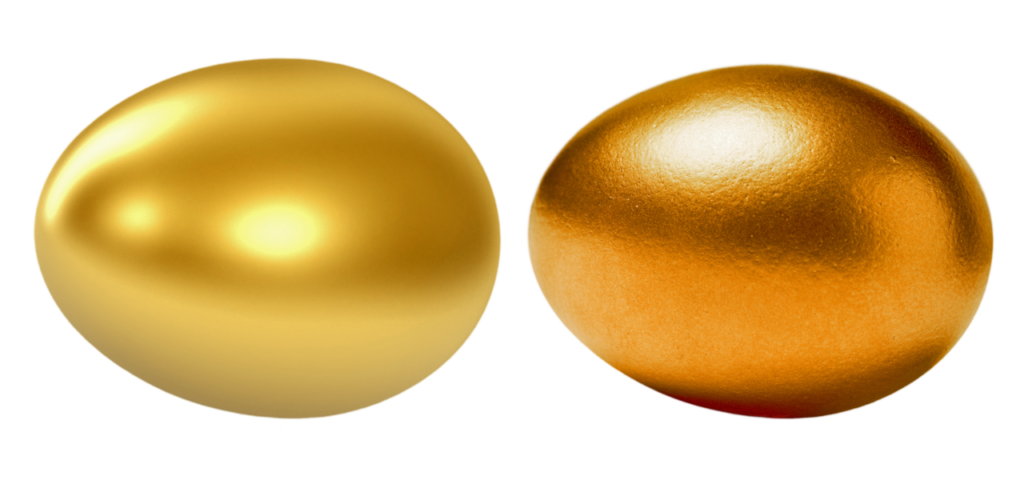
Leafing Powders: These float to the surface of the coating, creating a brilliant, mirror-like chrome effect. This is essential for high-impact brand logos and decorative “gold-leaf” accents on premium spirit bottles.
Non-Leafing Powders: These distribute evenly throughout the coating layers. This is the secret behind the “Deep Glow” seen in 2026 automotive interiors and high-end electronics, providing a sophisticated, “lit-from-within” appearance.
Precision in Particle Size
In 2026, “Customization” is the keyword.
Coarse Powders: Used for high-flash, high-sparkle applications in festival-themed packaging.
Fine Powders: Used for gravure printing on luxury paper bags and gift boxes, ensuring that even the finest typography maintains a metallic crispness.
5. Sustainability: The Green Side of Gold
A major driver of 2026 trends is Eco-Luxury. Consumers no longer accept luxury at the expense of the planet. Modern Bronze Powder production has evolved to meet these demands:
1. Water-Based Compatibility: Historically, metallic pigments were difficult to use in eco-friendly water-based coatings due to hydrogen evolution (gassing). Our latest generation of encapsulated Bronze Powders allows for stable, brilliant metallic effects in water-borne systems, significantly reducing VOC emissions.
2. Recyclability: Unlike plastic-based glitters or complex multi-layer laminates, mono-material coatings using metallic pigments can often be more easily processed in recycling streams, aligning with the circular economy goals of 2026.
Conclusion: Lead the “Golden” Wave
The “Golden Era” palette of 2026 is more than a color choice—it is a bridge between the artisanal past and the technological future. Whether you are designing the next flagship smartphone or a limited-edition fragrance, the right metallic pigment is what transforms a product from “ordinary” to “iconic.”
At Shandong Gold Diamond Metallic Pigment Co., Ltd, we don’t just manufacture powder; we manufacture the “brilliance” that defines your brand. Our R&D team is dedicated to refining the particle morphology and chemical stability of our Bronze Powders to ensure they meet the rigorous CMF standards of the 2026 market.
Ready to give your 2026 product line the “Midas Touch”?
Contact our technical team today to request a sample kit of our “Golden Era” series and see how our pigments perform under your specific application conditions.