Skip to content

The coatings industry is currently undergoing a profound transformation toward sustainability, largely propelled by increasingly stringent environmental regulations and a surge in consumer preference for eco-friendly products. Within this transition, waterborne coatings have risen to prominence as a leading substitute for conventional solvent-based systems. However, a persistent challenge has been matching the high-quality metallic visual effects that solvent-borne metallic pigments have long delivered. It is in this context that aluminum silver paste has emerged as a critical enabler, combining aesthetic appeal with environmental and performance benefits.
1. Excellent Metallic Aesthetic Effect
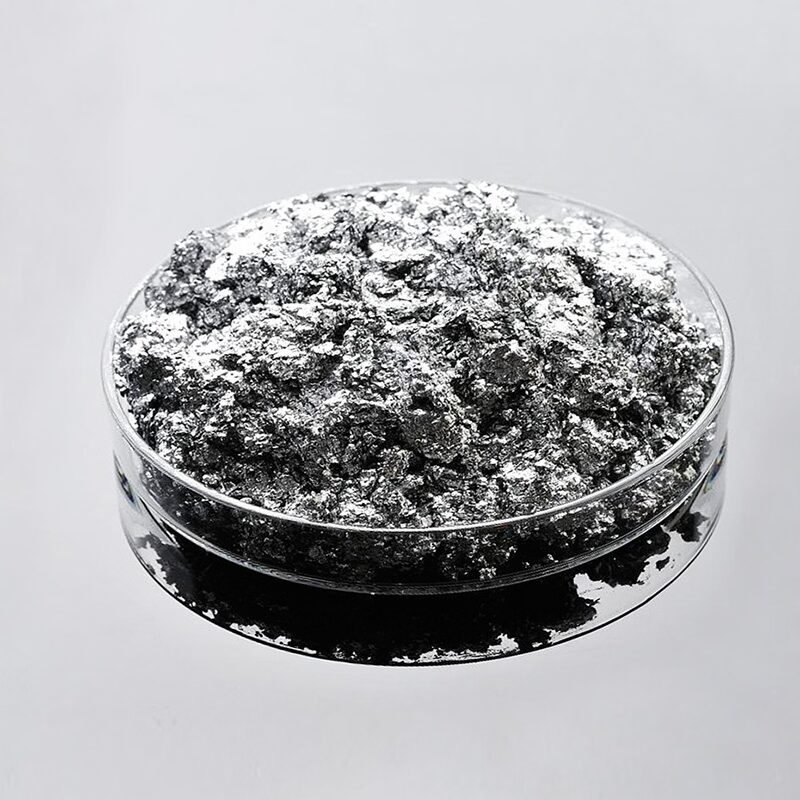
The foremost advantage of aluminum paste lies in its capacity to produce a brilliant, silvery metallic gloss and a distinctive sense of depth that is difficult to replicate with other materials. This effect stems from the unique morphology and behavior of the aluminum flakes. These tiny, platelet-shaped particles align parallel to the substrate surface during the coating’s film-forming process. As they orient themselves in this way, they create a continuous layer that reflects light uniformly, much like a mirror. This results in a bright, lustrous finish that not only enhances visual attractiveness but also conveys a perception of high quality and technological sophistication.
Such metallic effects are particularly valued in sectors where appearance is a key purchasing factor—for instance, in the automotive industry, where car bodies and components benefit from a sleek, premium look, or in consumer electronics, where metallic finishes signal innovation and luxury. Moreover, by adjusting the particle size distribution and morphology of the aluminum flakes, manufacturers can achieve a range of effects—from a fine, smooth sparkle to a coarse, glittery texture—enabling tailored solutions for different products and design requirements.
2. Environmental and Safety Advantages
Perhaps the most compelling driver for the adoption of aluminum paste in waterborne systems is its contribution to environmental and workplace safety. Traditional solvent-borne coatings rely heavily on organic solvents as carriers for pigments and resins. These solvents evaporate during application and curing, releasing volatile organic compounds (VOCs) into the atmosphere, which contribute to air pollution, ozone formation, and potential health hazards such as respiratory issues.
By contrast, waterborne coatings utilize water as the primary dispersing medium, drastically cutting VOC emissions. Specially developed aluminum pastes for water-based systems are engineered with surface modifications that enhance stability in aqueous environments. These treatments prevent oxidation and gassing, maintain flake integrity, and promote uniform dispersion—all without the need for large quantities of harmful solvents. As a result, the coating not only meets stringent environmental standards but also offers a safer working environment by reducing operators’ exposure to toxic fumes and flammability risks. This shift supports both regulatory compliance and corporate sustainability goals, positioning aluminum paste as a key material in the green transition of the coatings sector.
3. Corrosion Resistance and Weatherability
Beyond aesthetics, aluminum paste significantly enhances the functional properties of coatings, particularly in terms of corrosion resistance and long-term durability. When aluminum flakes are properly dispersed and aligned within the coating matrix, they form a overlapping, layered structure often referred to as a “leafing” effect. This structure creates a physical barrier that is highly effective at hindering the penetration of moisture, oxygen, salts, and other corrosive agents. In essence, the flakes act like tiny shields, drastically reducing the direct contact between the substrate and the environment.
This barrier property is further complemented by aluminum’s inherent resistance to oxidation and UV radiation. In exterior applications—such as automotive coatings, architectural cladding, bridges, and industrial equipment—coatings are continuously exposed to harsh weather conditions, temperature fluctuations, and ultraviolet light. The incorporation of aluminum paste helps mitigate degradation processes such as blistering, chalking, and corrosion-induced delamination. Consequently, the service life of the coated object is extended, maintenance intervals are prolonged, and overall performance is enhanced, making it a cost-effective solution for demanding applications.
Conclusion
Aluminum silver paste represents a vital intersection of aesthetics, functionality, and environmental responsibility in modern coating systems. Its ability to deliver brilliant metallic effects, improve corrosion protection, and support the shift toward low-VOC, waterborne formulations makes it an indispensable component in the palette of today’s coatings formulator. As regulatory pressures intensify and consumer expectations evolve, the role of advanced aluminum pigments will only grow, driving further innovations in sustainable coating technologies that do not compromise on performance or visual appeal.