Skip to content

Category: Pigment Technology & Selection Guide
Target Audience: Formulation Chemists, Procurement Managers, R&D Engineers in Packaging, Coatings, Inks, and Plastics.
Introduction
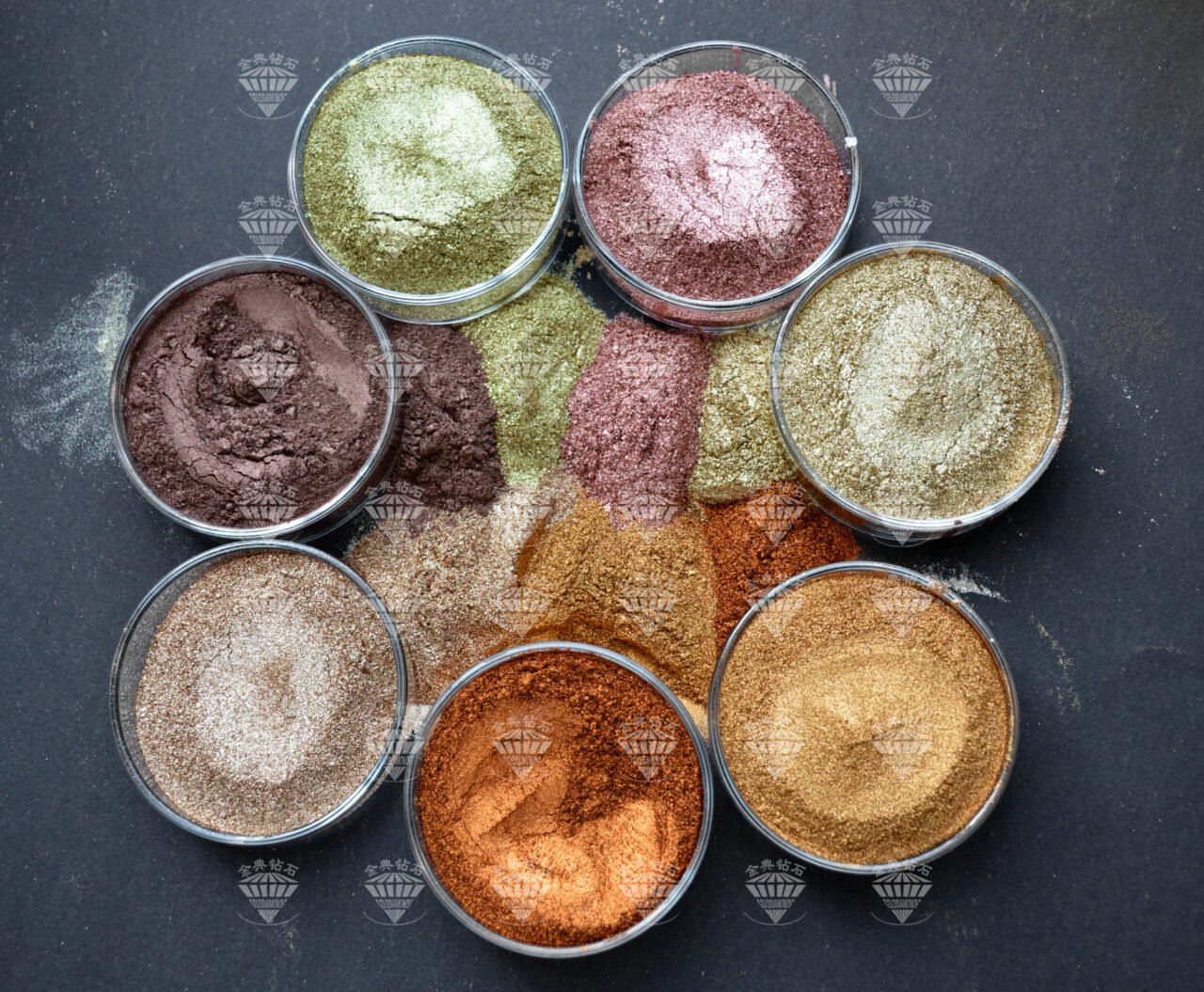
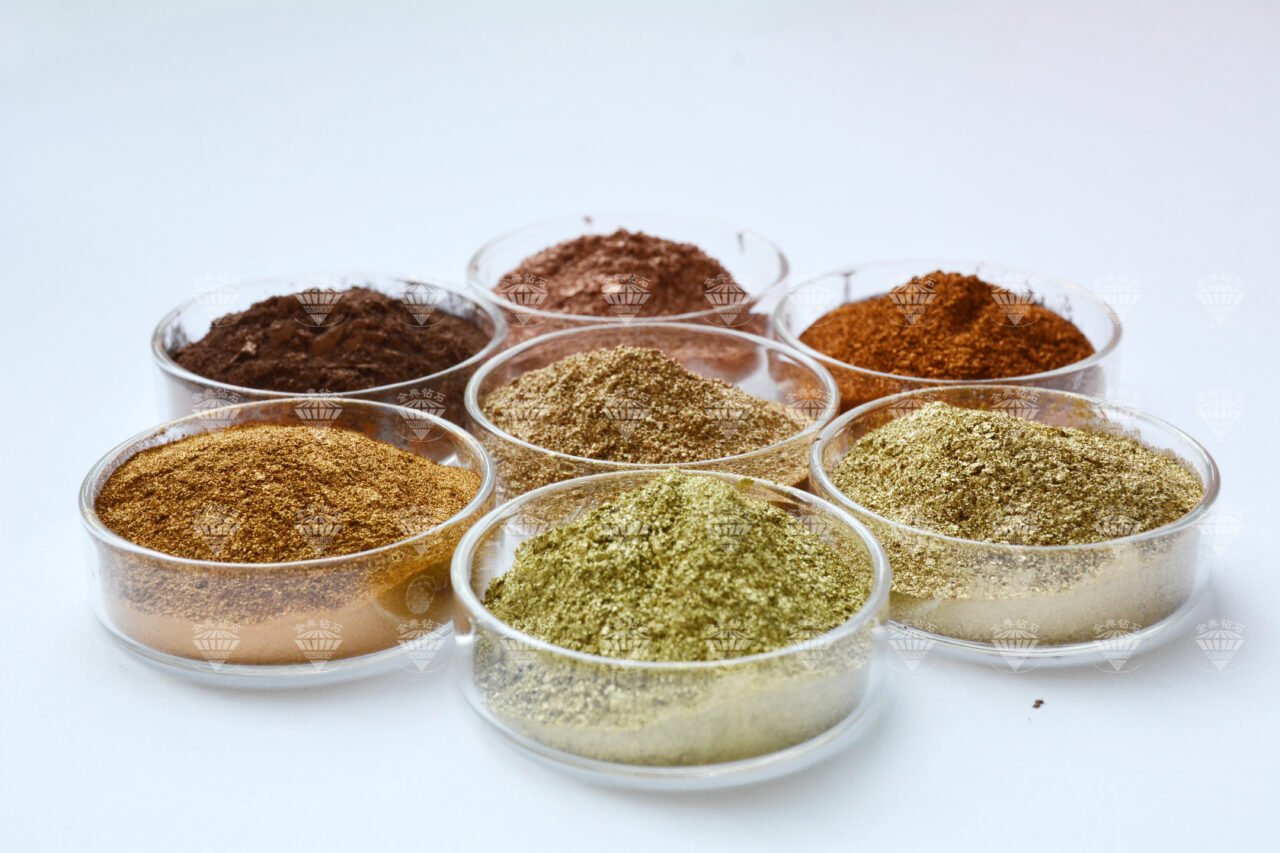
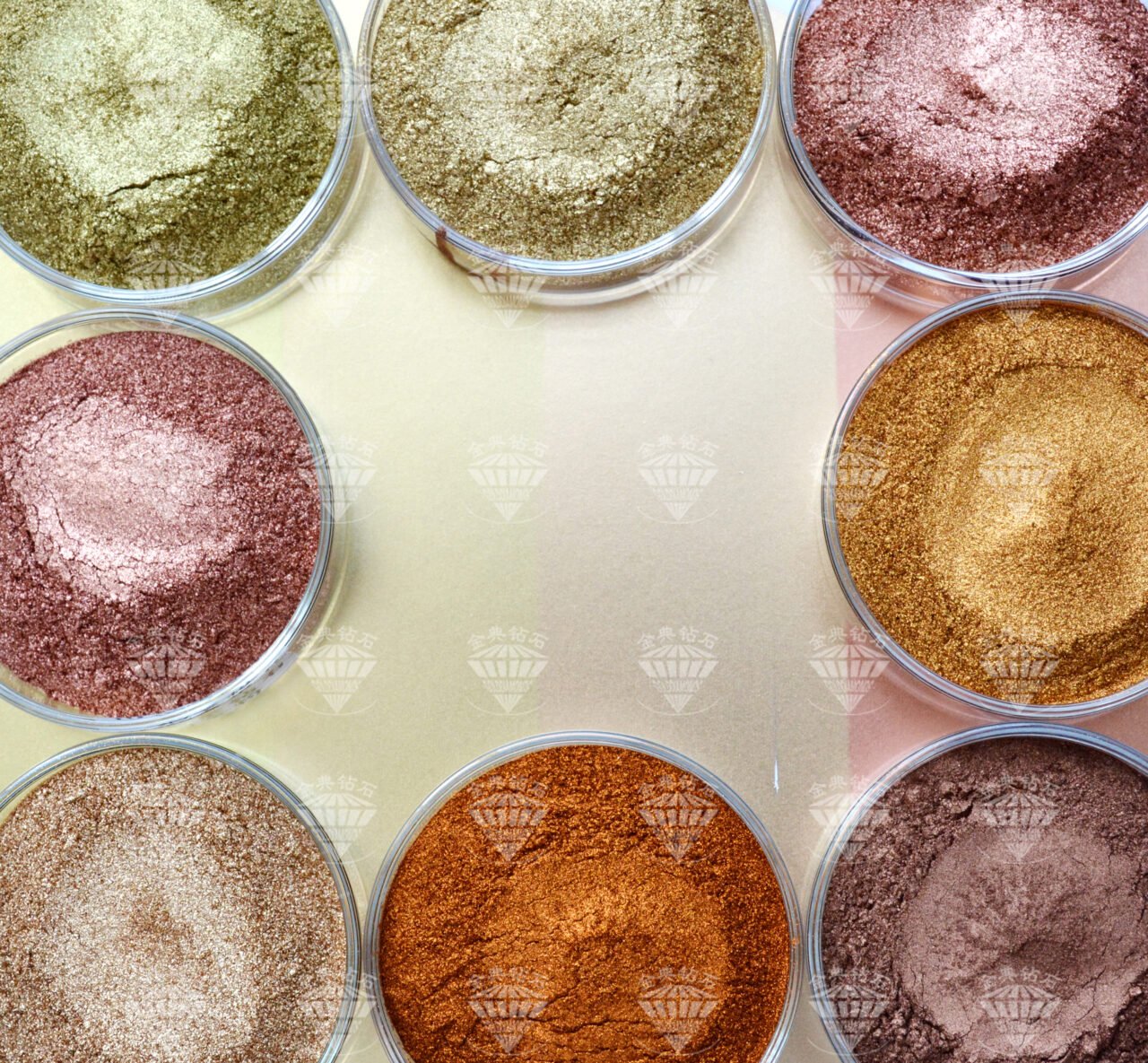
In modern industrial applications—ranging from luxury packaging inks and automotive coatings to plastic injection molding and decorative textiles—achieving a brilliant, eye-catching gold effect is critical for high-end product positioning. When engineers and formulation experts specify gold metallic pigments, two major categories dominate the market: Bronze Powder (copper-zinc alloy pigment) and Pearlescent Gold Pigment (titanium dioxide/iron oxide-coated mica or glass flakes).
While both pigments deliver a golden finish, their underlying optical physics, chemical stability, hiding capacity, and cost structures differ significantly. This guide delivers a rigorous multi-dimensional comparative analysis to help sourcing teams and laboratory engineers select the ideal pigment for their target applications.
1. Executive Summary: Core Difference Matrix
| Evaluation Metric | Bronze Powder | Pearlescent Gold Pigment |
| Core Composition | Copper-Zinc (Cu-Zn) Alloy Flakes | Mica / Glass Flakes + TiO2/ Fe2O3 Oxide Layer |
| Optical Mechanism | Specular Surface Reflection (True Metallic Mirror) | Light Interference & Multi-layer Refraction |
| Metallic Gloss & Brilliance | Exceptional (High mirror sheen & intense metal feel) | Soft, Satin-like, Pearl-like shimmer |
| Hiding Power (Opacity) | Very High (Complete opacity at low film thickness) | Low to Semi-Transparent (Requires dark background) |
| Chemical & Weather Stability | Requires coating/encapsulation against oxidation | Inherently Excellent (Acid, alkali, UV & heat resistant) |
| Conductivity & Shielding | Electrically conductive; blocks RF signal | Non-conductive; RF transparent |
| Formulation Cost / Coverage | Highly Cost-Effective (Lower dosage for full opacity) | Higher dosage required for high coverage |
2. In-Depth Technical Performance Comparison
A. Optical Performance & Metallic Luster
The visual distinction between bronze powder and pearlescent gold pigment stems from their physical structure:
- Bronze Powder: Consists of opaque, solid metal flakes. Incident light reflects directly off the flat surface of the flakes (specular reflection), producing a sharp, liquid-gold or metallic foil finish with a strong flash.
- Pearlescent Gold Pigment: Consists of transparent mica or synthetic substrate coated with metal oxide layers. Light passes through multiple layers, creating constructive interference. The result is a softer, multi-dimensional “pearl-like” sheen rather than a solid metallic surface.
B. Hiding Power (Opacity) & Film Thickness
In coatings and printing inks, hiding power dictates how efficiently a pigment obscures the underlying substrate:
- Bronze Powder: Provides outstanding opacity. Because the metallic flakes are completely opaque, even thin layers (such as 10–15 $\mu$m gravure ink films) achieve 100% black-and-white grid hiding.
- Pearlescent Gold Pigment: Is inherently semi-transparent. To achieve a rich gold appearance, pearlescent gold relies heavily on dark underlying primers or high film thickness. On white or transparent substrates, pearlescent pigments appear faint unless mixed with background colorants.
C. Cost Efficiency & Dosage Economics
When analyzing raw material costs, procurement teams must evaluate the total formulation cost per square meter of coverage, rather than just the price per kilogram:
- Although the raw unit price ($/kg) of premium encapsulated bronze powder and high-grade pearlescent pigments can be comparable, bronze powder requires significantly lower dosage (5%–12% in coatings) to achieve full hiding power compared to pearlescent gold (which often requires 15%–25% plus a background colorant).
- As a result, bronze powder is frequently the more economical choice for high-volume, high-opacity industrial applications.
3. Chemical Stability & Processing Limits
Understanding environmental limits is crucial to prevent premature color fading or batch failures:
| Parameter | Standard Bronze Powder | Silica-Encapsulated Bronze Powder | Pearlescent Gold Pigment |
| Heat Resistance | Up to 100°C – 180°C | Up to 220°C – 260°C | Up to 600°C + |
| Waterborne System | Prone to gassing & darkening | Excellent stability | Naturally inert |
| Acid & Alkali Resistance | Poor (reacts with acids) | Good | Outstanding |
| Weatherability / UV | Requires UV absorber or clearcoat | Good indoor/outdoor stability | Outstanding |
4. Application Selection Guide: Which Should You Choose?
Choose Bronze Powder If You Need:
- True, Solid Metallic Finish: Imitation gold leaf, high-end packaging (cigarettes, wine, cosmetics), foil stamping substitute.
- High Hiding Power on Light/Transparent Substrates: Single-pass gravure printing inks, aerosol spray paints.
- Lower Total System Cost: Full metallic coverage achieved at lower pigment loading.
Choose Pearlescent Gold Pigment If You Need:
- Extreme Environmental Resistance: Outdoor architectural coil coatings, high-temperature ceramics, fluorocarbon paints.
- Electrical Insulation / RF Transparency: Consumer electronics housings (5G smartphone backs), automotive radar domes.
- Soft, Satin-Pearl Aesthetics: Cosmetics packaging, subtle interior decorative paints.
Conclusion
Both bronze powder and pearlescent gold pigment hold indispensable positions in modern manufacturing. While pearlescent pigments excel in extreme chemical environments and soft luster effects, bronze powder remains the gold standard for high-brilliance, high-opacity, and cost-effective true metallic finishes.