Skip to content

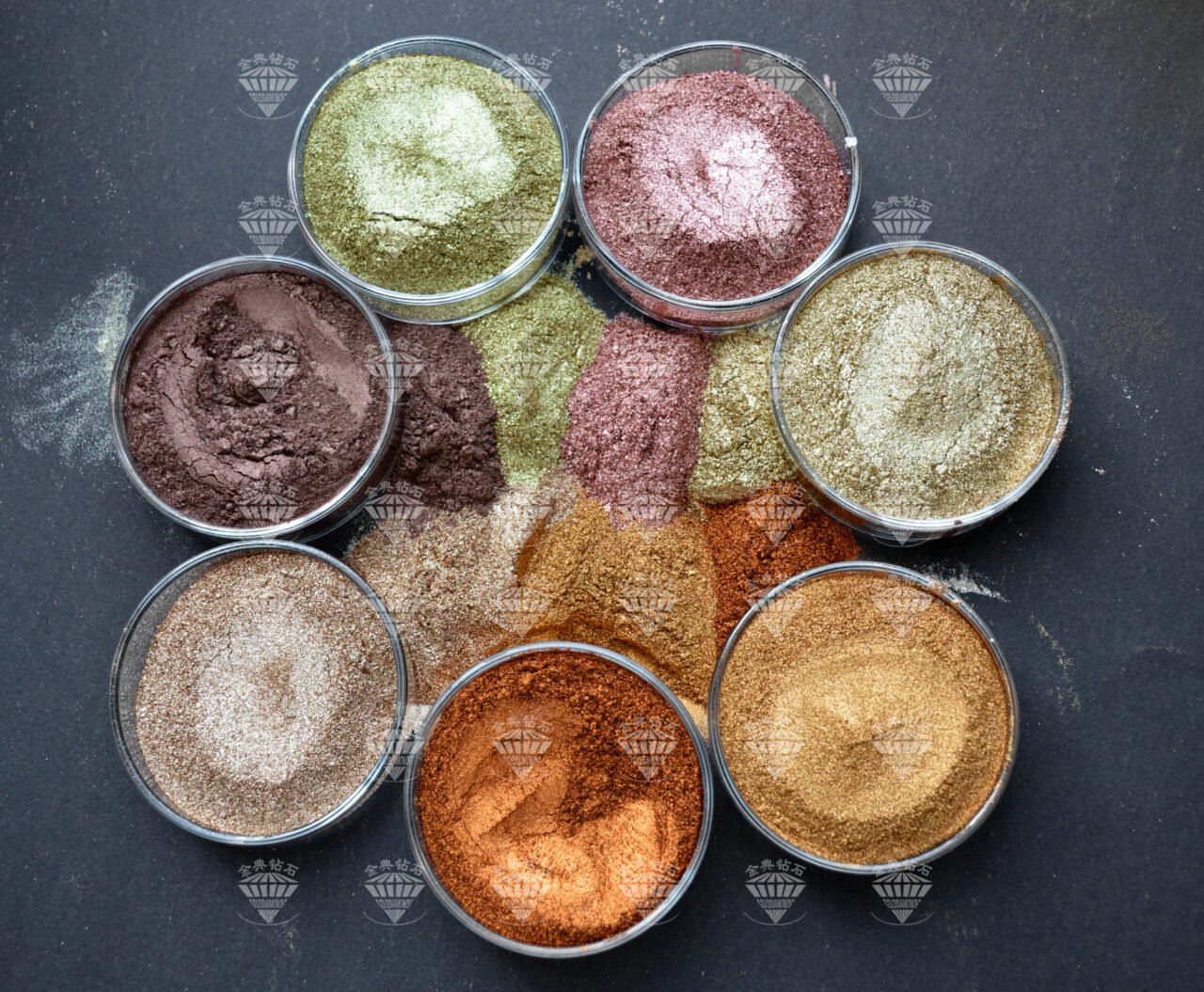
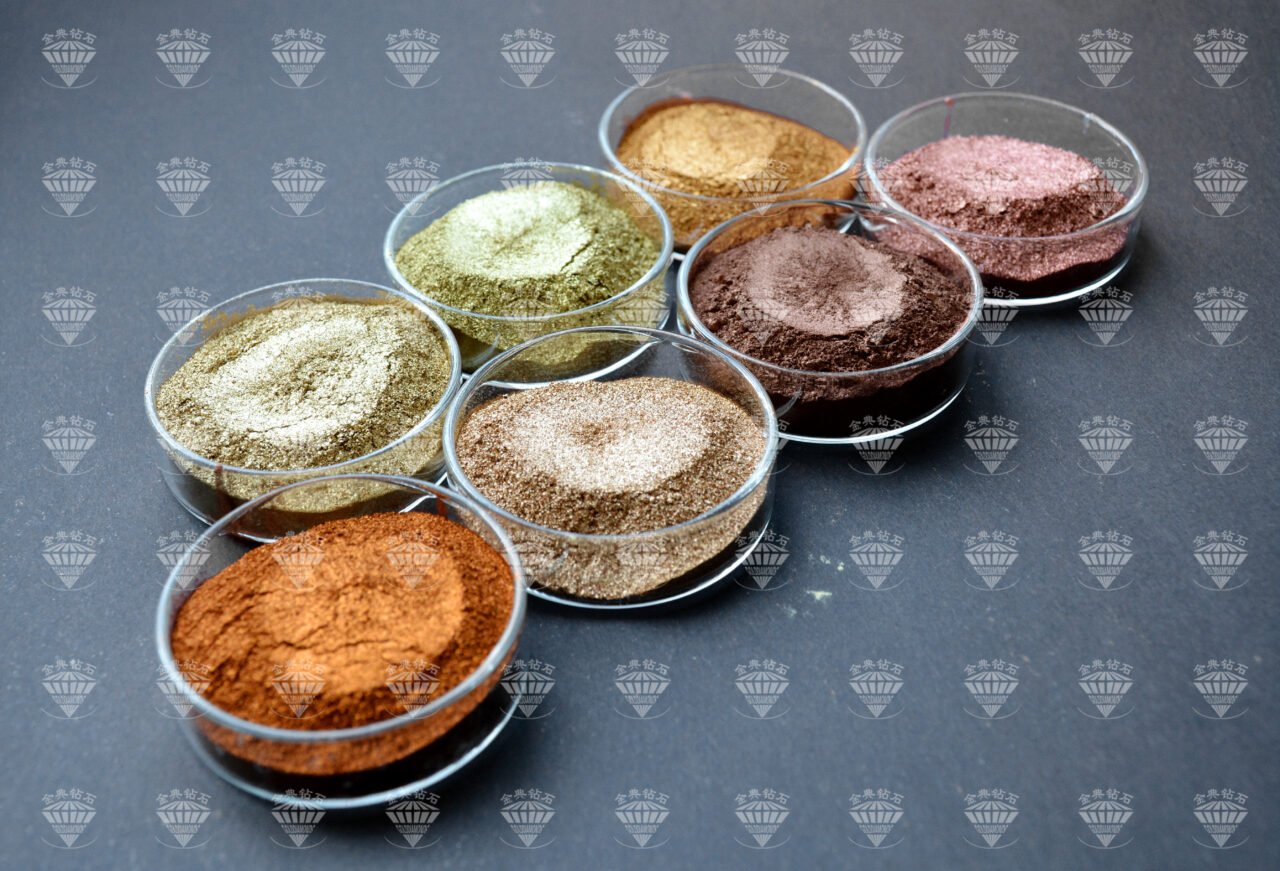
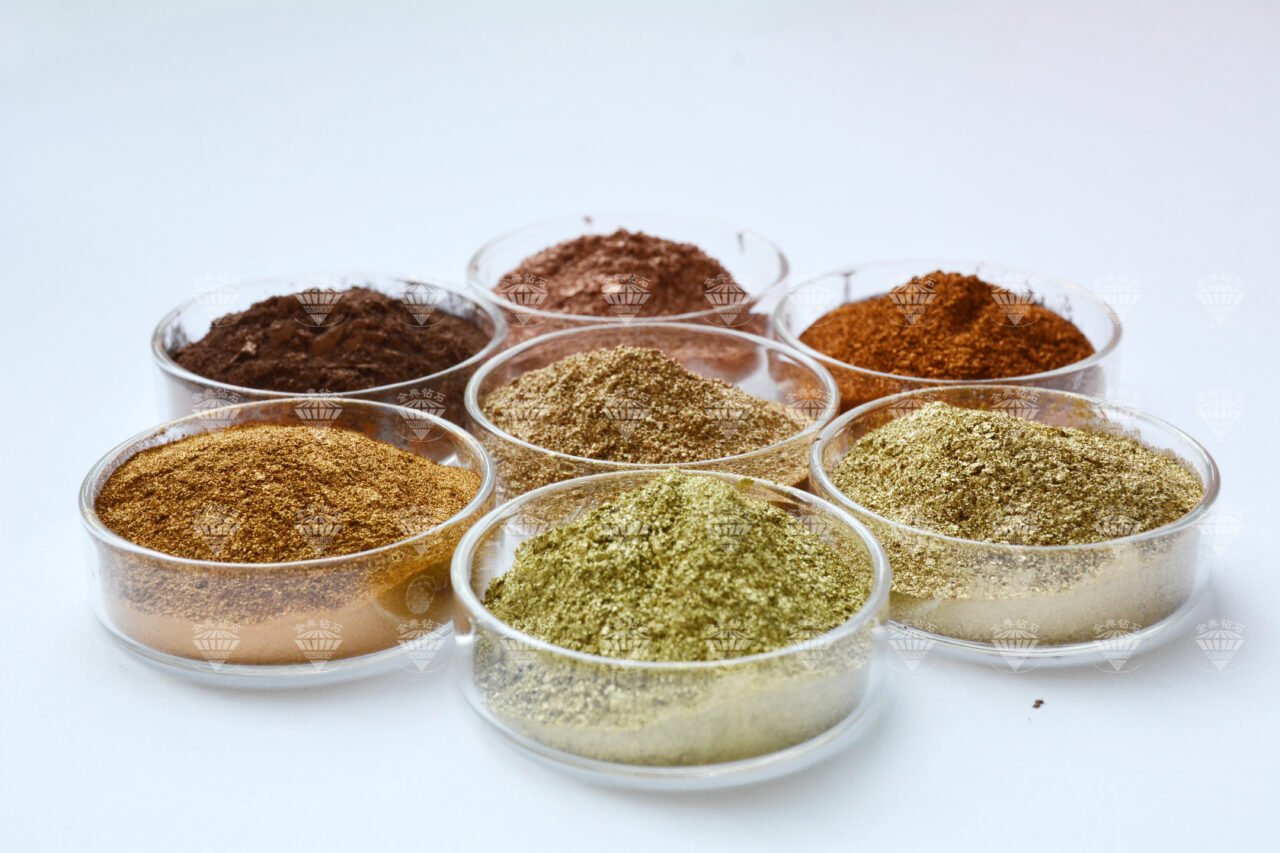
In the production of high-end tobacco and alcohol packaging, luxury gift boxes, and exquisite art albums, Gravure Printing remains the preferred process. Its ability to deliver thick ink layers and saturated colors is unmatched for showcasing metallic textures. As the “soul” of the metallic effect, Bronze Powder determines the final product’s brilliance, adhesion, and printability.
From a technical perspective, here is a detailed guide on formulating bronze powder for gravure printing applications.
1. The Golden Ratio: Determining the Addition Amount
In gravure inks, more is not necessarily better. Too little powder results in poor coverage and a dull finish; too much leads to excessive viscosity, “dusting” (powder rub-off), and even clogged printing cells.
- Standard Formulation: Generally, the weight ratio of bronze powder in the gold ink should be between 25% and 40%.
- The Impact of Mesh Size: * If you are using 800–1000 mesh (coarser particles for high sparkle), the percentage can be slightly lower.
- If using 1200–1500 mesh (ultra-fine particles for a silky, smooth finish), a higher ratio is required to ensure adequate opacity.
- Cell Depth: The engraving depth of your printing cylinder also dictates the dosage. Shallow cells require a higher concentration of bronze powder to achieve the desired color, while deeper cells can work with a lower concentration.

2. Solvent Selection: Avoiding the “Oxidation Minefield”
The solvent acts as the carrier for the bronze powder. Choosing the wrong solvent will not only affect the drying speed but can also lead to immediate discoloration.
- Recommended Solvents: Gravure typically utilizes Ethyl Acetate, Isopropanol (IPA), n-Propanol, or MEK (Methyl Ethyl Ketone).
- Absolute Taboos: * High Acid Value Solvents: Solvents containing free acids will rapidly oxidize bronze powder, turning the ink green or black.
- Sulfur-containing Solvents: Sulfur is the “natural enemy” of copper, causing a chemical reaction that destroys all metallic luster.
- Drying Speed Matching: For high-speed gravure presses, the ratio of fast-drying to slow-drying solvents must be adjusted according to the workshop’s temperature and humidity to prevent the ink from drying prematurely inside the cylinder cells.
3. Sedimentation: Maintaining Ink Uniformity
The specific gravity of bronze powder is much higher than that of the resin binder, making it highly prone to settling in low-viscosity gravure inks. If not managed, this results in inconsistent color and metallic streaks.
- Viscosity Control: Maintain the ink viscosity between 16–22 seconds (Zahn Cup #3 or #4). Viscosity that is too low accelerates sedimentation, while viscosity that is too high results in poor leveling.
- Additives: Incorporate appropriate amounts of anti-settling agents or polyethylene (PE) wax. These additives create a weak network structure within the system, acting as a “scaffold” to support the metallic flakes.
- Circulation & Agitation (Critical): * The ink fountain must be equipped with a circulation pump or an automatic stirrer during the printing process.
- Keeping the ink in a constant state of motion is the most effective way to solve physical sedimentation.

4. Professional Formulation Secret: The Two-Component Method
To ensure the ultimate metallic brilliance, we strongly recommend that customers use a two-component on-site mixing method rather than using pre-mixed gold inks that have been stored for long periods.
- Slurry First: Begin by wetting the bronze powder with a small amount of solvent to create a uniform slurry. This effectively prevents clumping that occurs when adding dry powder directly to the resin.
- Gradual Addition: Slowly pour the prepared slurry into the varnish while stirring at a low speed.
- Mix and Use: The oxidation process begins the moment the bronze powder contacts the binder. We recommend mixing only enough for 4–8 hours of production at a time to ensure every sheet maintains the most brilliant luster.
Conclusion
Formulating bronze powder for gravure printing is an art of balance: balancing ratio with viscosity, solvent with speed, and metallic effect with printability.
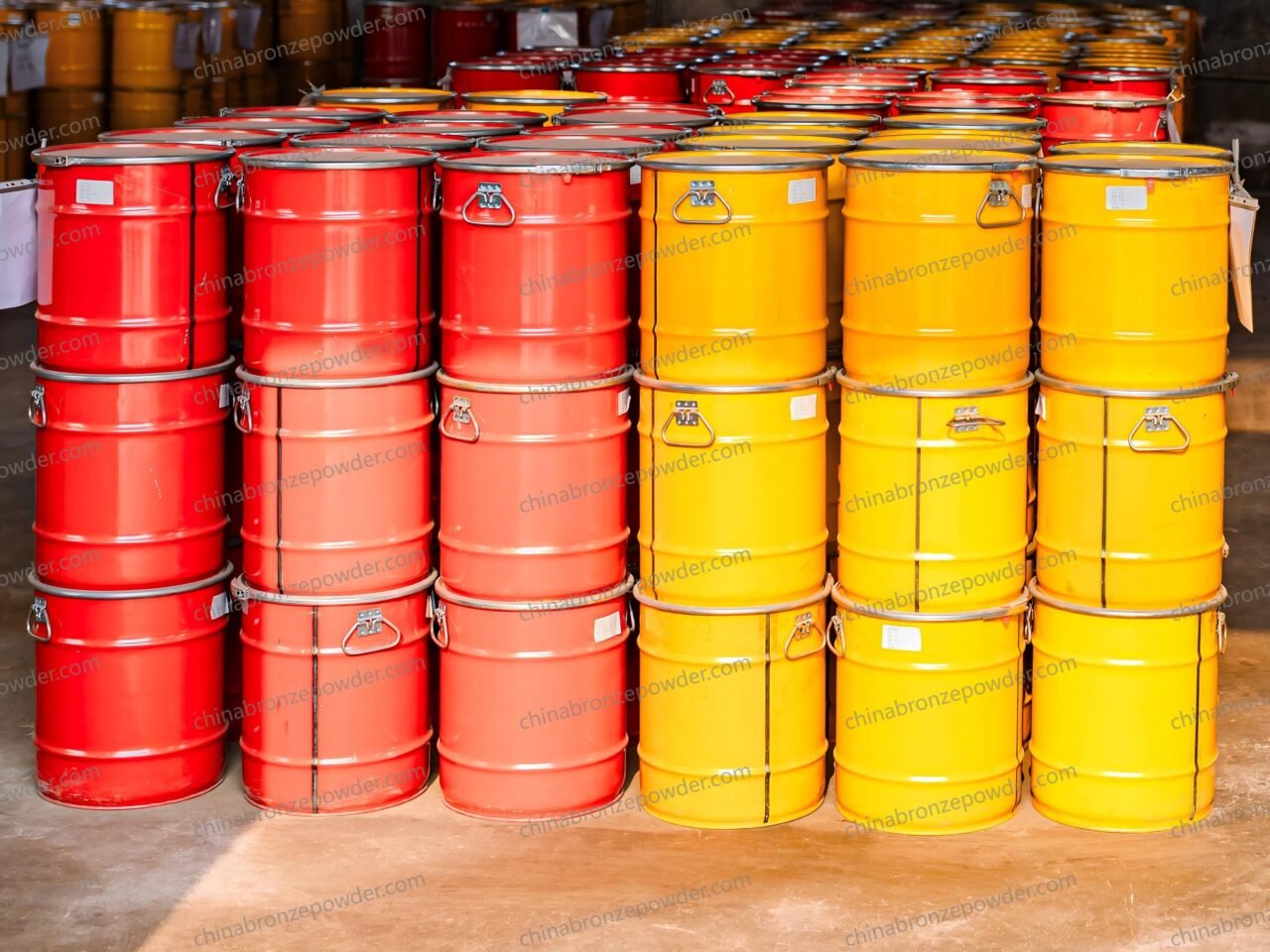
As a professional metallic pigment manufacturer, our Printing Grade Bronze Powder Series offers excellent floatability and shear resistance, significantly reducing clogging and sedimentation issues during the printing process.
If you are encountering issues such as dullness, dusting, or discoloration in your album or packaging production, contact our technical support team. We can provide a full suite of ink formulation references tailored to your needs.