Skip to content

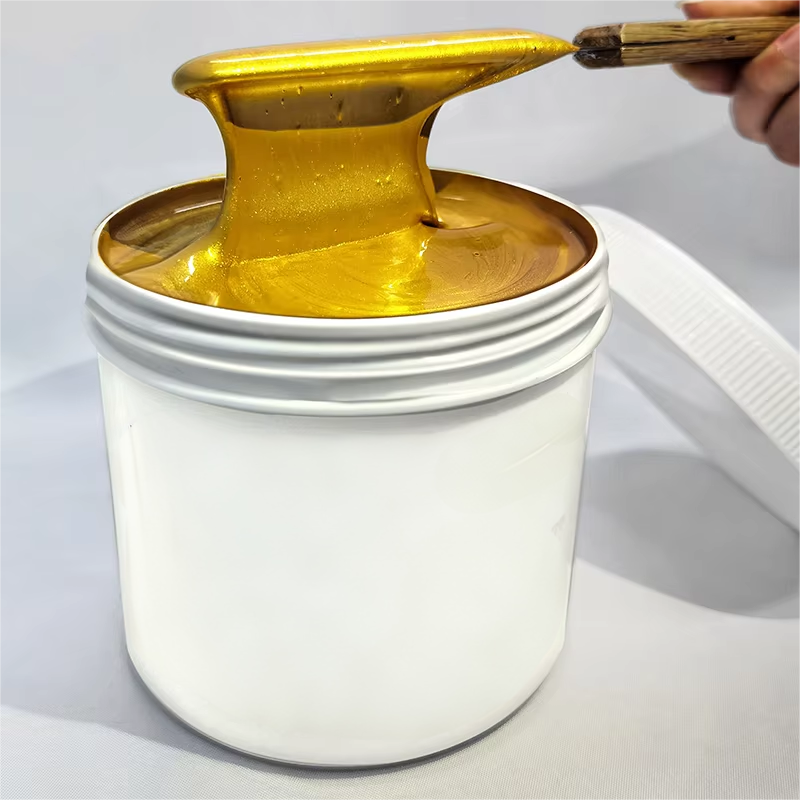
Imagine this: your production line just finished a batch of premium metallic paint. It leaves the factory with a brilliant, mirror-like golden gloss. But a few weeks or months later, that dazzling gold turns into a dull, greenish-black mess.
As a paint manufacturer or industrial coatings formulator, bronze powder oxidation (tarnishing) is one of the most frustrating and costly headaches you can face.
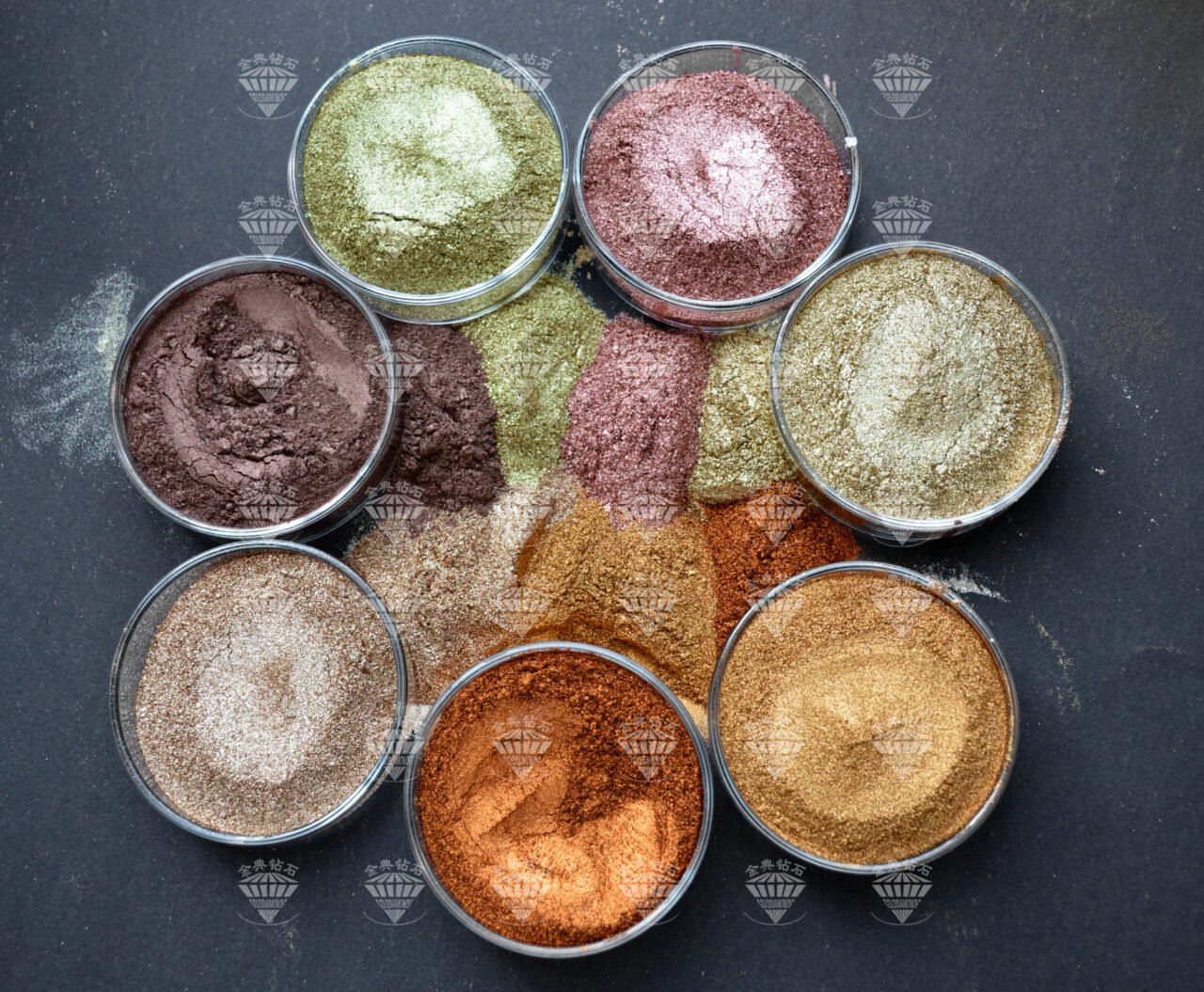
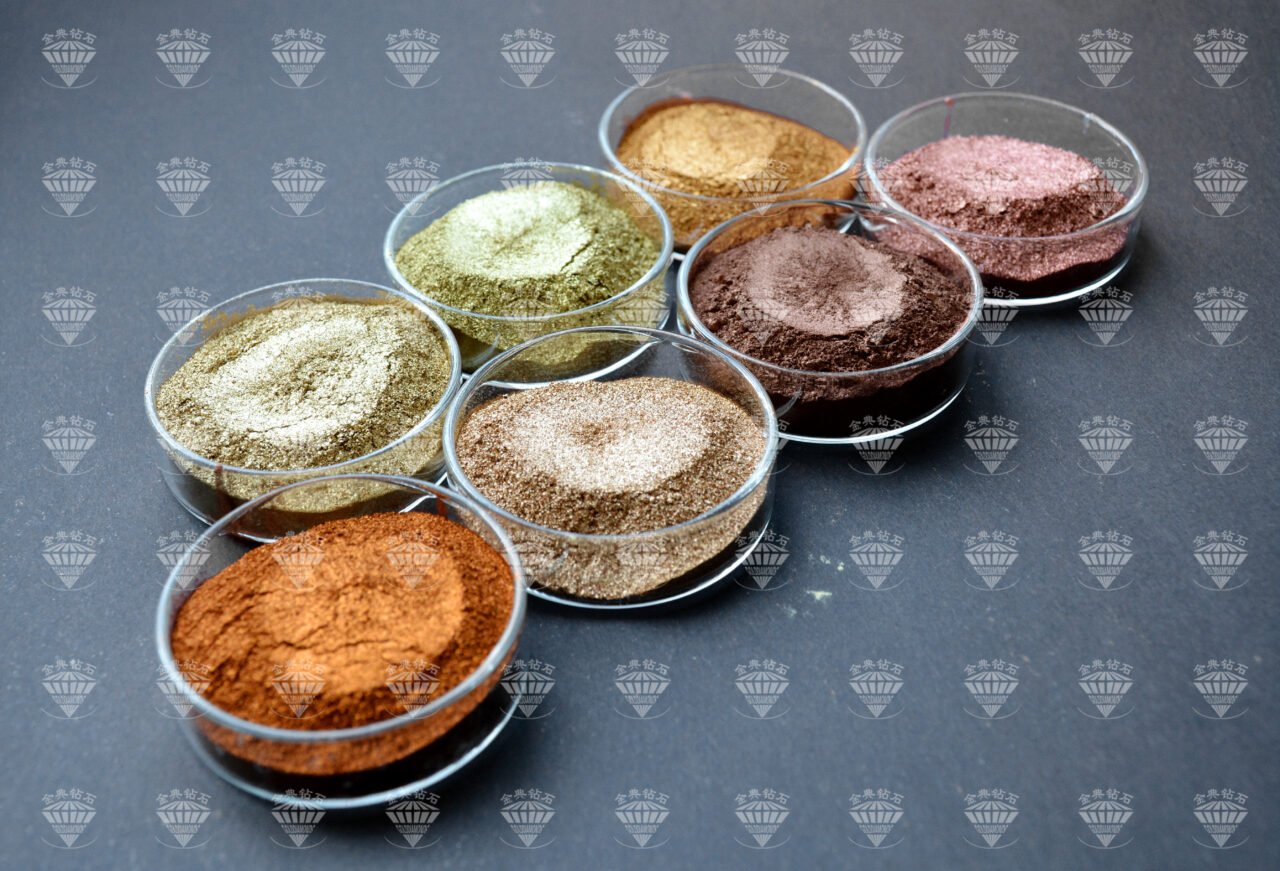
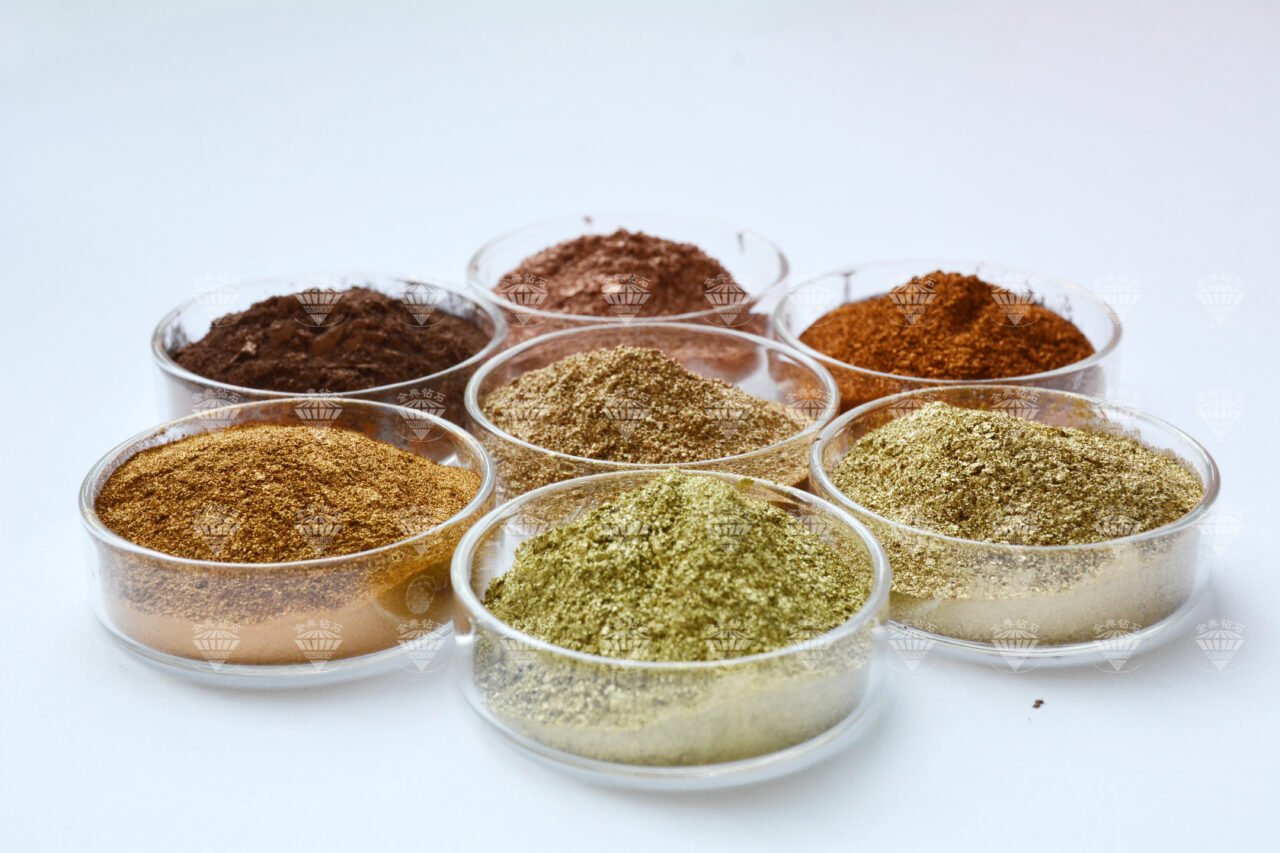
Bronze powder (often referred to as gold powder) is primarily an alloy of copper and zinc. While it offers an unmatched, luxurious metallic luster that synthetic pigments can’t replicate, its chemical composition makes it inherently vulnerable to environmental factors.
In this guide, we will break down exactly why bronze powder turns black in paint and share 3 industry secrets to keep your metallic coatings brilliant for the long haul.
The Root Cause: Why Does Bronze Powder Turn Black?
Bronze powder tarnishes due to a chemical reaction known as oxidation. When the copper atoms on the flake surface come into contact with reactive elements, they form copper oxide ($CuO$, which is black) or basic copper carbonate (Cu2(OH)2CO3, which is green/dark).
In a coating system, this is usually triggered by three main culprits:
- Acidic Resins: Many standard binders have high acid values. These residual acids aggressively attack the unprotected copper flakes.
- Moisture and Oxygen Permeability: If the paint film allows moisture or air to penetrate, the bronze powder will oxidize over time.
- Severe Ph in Water-based Systems: Water is the natural enemy of untreated bronze powder, causing not only blackening but also dangerous gassing (hydrogen buildup).
3 Secrets to Prevent Bronze Powder Oxidation in Paint
1. Choose the Right Binder (Low Acid Value is Key)
The easiest way to prevent early oxidation is to control the chemical environment inside the paint can.
- The Rule: Always select resins with an acid value below 5mg KOH/g (ideally as close to 0 as possible).
- What to avoid: Avoid using highly acidic acrylics, alkyds, or certain vinyl resins unless they have been specifically neutralized or formulated for metallic pigments.
- Pro-Tip: Ensure that any solvents or additives used in the formulation are completely anhydrous (water-free) and chemically neutral.
2. Optimize the “Leafing” Effect and Topcoating
Bronze powder comes in two main types: Leafing and Non-Leafing.
[Leafing Flakes: Float to the surface, forming a dense metallic barrier]
[Non-Leafing Flakes: Distribute evenly throughout the paint film]
- Leafing bronze powder contains specific surface fatty acids that cause the flakes to float to the top of the paint film, creating a dense, overlapping metallic barrier. This barrier is highly reflective but more exposed to the air.
- To protect this layer from atmospheric moisture and industrial pollutants, applying a clear, UV-resistant topcoat is highly recommended. The topcoat acts as a physical shield, locking out oxygen and moisture.
3. Upgrade to Silica-Encapsulated or Surface-Treated Bronze Powder
If you are formulating water-based coatings, high-temperature baking enamels, or outdoor architectural paints, standard bronze powder will not suffice. You need advanced pigment technology.
Modern manufacturing allows us to apply a microscopic, dense protective layer around each individual bronze flake.
- Silica Encapsulation: This creates an inorganic, glass-like shield around the copper-zinc alloy. It prevents water, acids, and alkalis from ever touching the metal core.
- Organic Treatment: Specially tailored organic inhibitors passivate the metal surface, drastically improving shelf-life stability and thermal resistance.
Using encapsulated bronze powder ensures that your paint retains its “freshly minted” gold appearance even in harsh, humid, or water-borne environments.
Conclusion: Don’t Let Oxidation Ruin Your Quality
Preventing bronze powder from turning black comes down to two things: choosing a chemically compatible paint matrix and selecting the right grade of pigment.
At Shandong Gold Diamond Metallic Pigment Co., Ltd, we don’t just manufacture bronze powder; we engineer solutions. We offer a full spectrum of bronze powders—ranging from high-brilliance leafing grades for solvent systems to ultra-stable, silica-encapsulated series designed specifically for challenging water-based and outdoor coatings.
🛠️ Need Help Optimizing Your Metallic Paint Formula?
Are you currently facing a blackening, gassing, or fading issue with your gold paint? Our team of application engineers is ready to help you troubleshoot.
- Request a Free Sample: Test our specialized anti-oxidation bronze powder in your lab.
- Get a Free Technical Consultation: Let our experts review your system’s acid value and compatibility.
👉 [Click Here to Contact Our Engineers & Request a Free Sample Pack Today!]