Skip to content

Category: Application & Formulation Guide / Metallic Pigments
Target Audience: Formulation Chemists, Ink Manufacturers, Plastic Compounders, Coating Engineers, Technical Sales Representatives.
Introduction
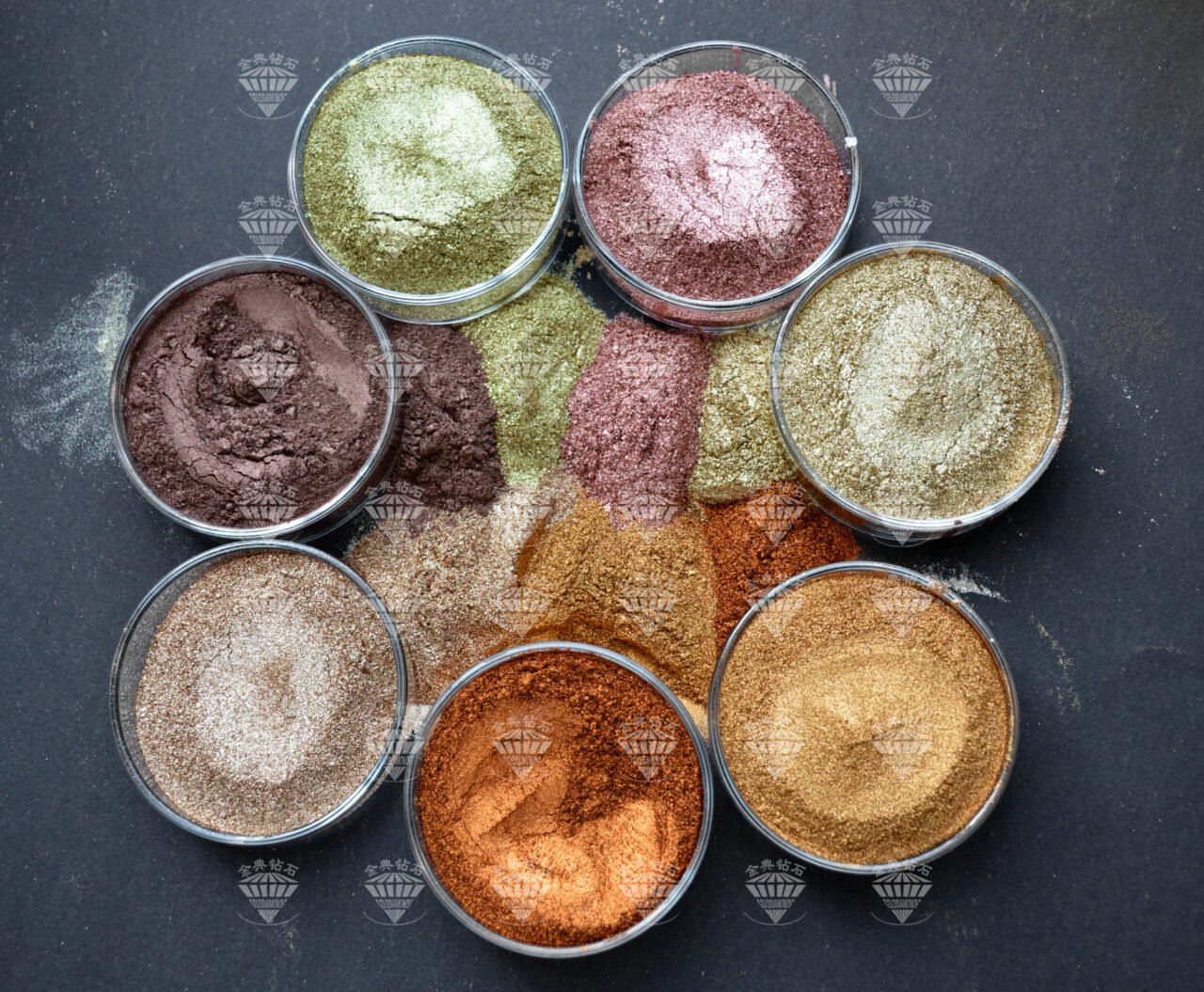
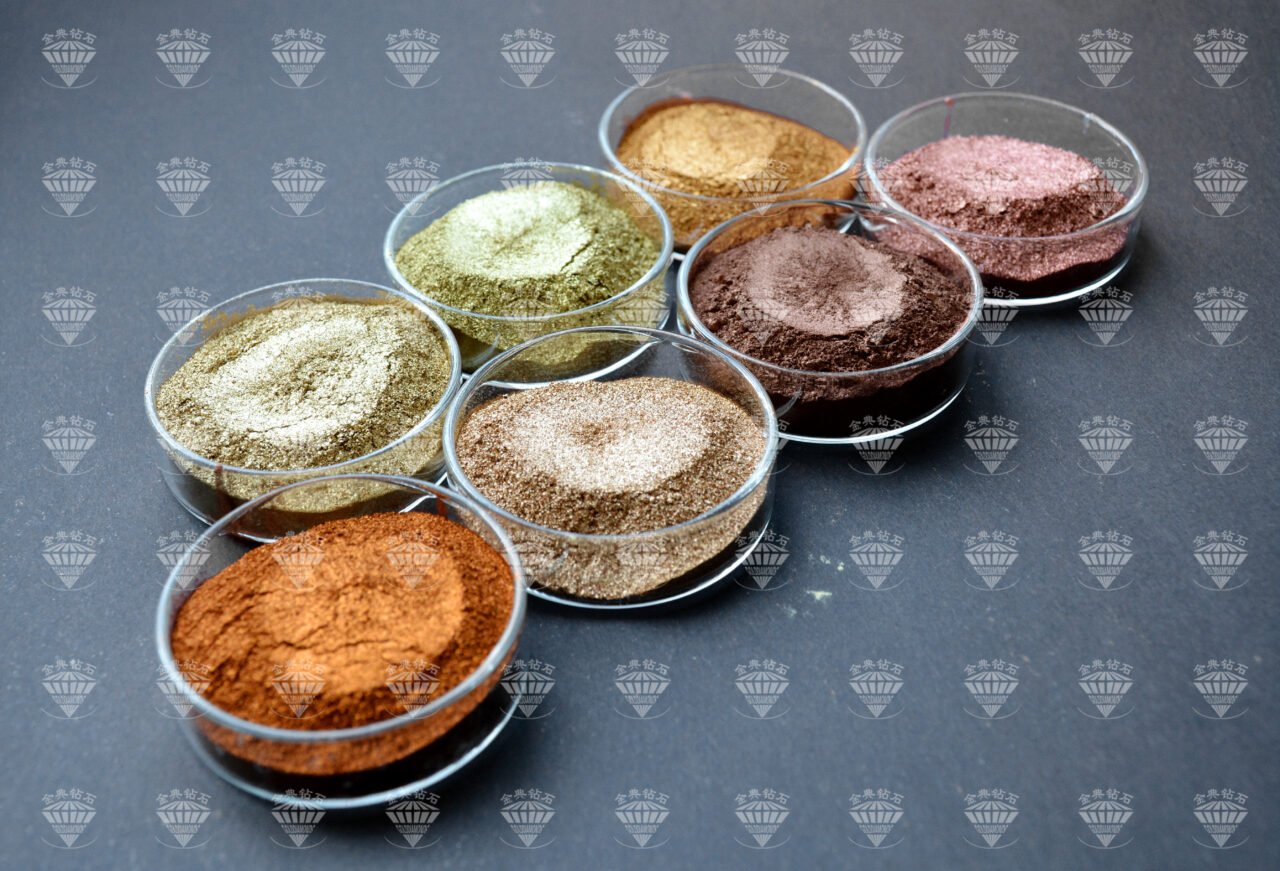
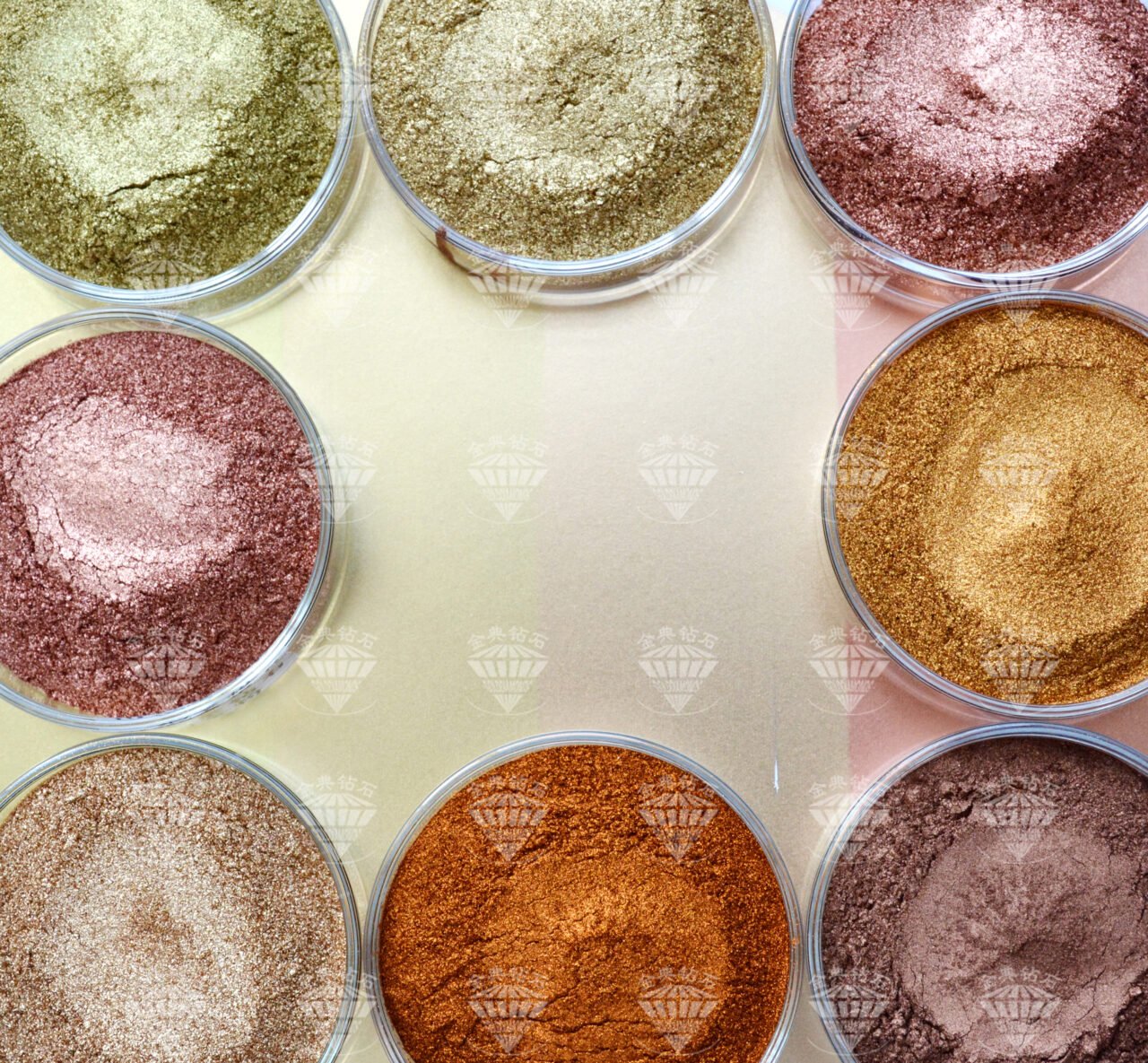
Bronze powder is renowned for adding a rich, brilliant metallic gold lustre across various manufacturing sectors. However, achieving maximum brilliance, optimal adhesion, and long-term shelf stability requires precise formulation ratios and proper mixing techniques. An incorrect dosage or improper solvent selection can cause dulling, particle aggregation, or rapid oxidation.
This comprehensive guide details the recommended addition ratios, technical considerations, and step-by-step mixing protocols for bronze powder across four major downstream industries.
1. Quick Formulation Reference Matrix
Below is a quick-reference guide summarizing recommended bronze powder dosages, particle sizes, and key formulation parameters for major applications:
| Industry Application | Recommended Dosage (wt%) | Suggested Mesh Count | Recommended Grade Type | Key Resin / Vehicle Types |
| Gravure & Flexo Inks | 15% – 30% | 1000 – 1500 Mesh | Leafing Grade | NC (Nitrocellulose), Polyamide, Acrylic |
| Screen Printing (Textiles) | 8% – 15% | 400 – 800 Mesh | Leafing / Non-Leafing | Water-based binder, Plastisol, Polyurethane |
| Industrial & Spray Coatings | 5% – 12% | 600 – 1000 Mesh | Non-Leafing / Encapsulated | Acrylic, Epoxy, Polyurethane (PU) |
| Plastics Injection & Masterbatch | 1.5% – 4.0% | 600 – 800 Mesh | High Temp / Encapsulated | PP, PE, ABS, PS, Masterbatch carriers |
2. Industry-Specific Formulation & Process Guidelines
A. Printing Inks (Gravure, Flexographic, and Offset)
Printing inks require high leafing value and fine particle distribution to pass smoothly through doctor blades and printing plates without clogging.
- Dosage Recommendation: 15% – 25% by weight for gravure inks; 20% – 30% for flexo inks.
- Solvent Selection: Avoid high-acid or active sulfur solvents. Keep varnish acid values low ($<10\text{ mg KOH/g}$) to prevent greening (oxidation).
- Mixing Protocol: Pre-wet the bronze powder with a portion of solvent at a 1:1 ratio to form a smooth paste before dispersing it into the varnish under low-shear mixing.
B. Industrial & Decorative Coatings
Whether for spray painting hardware, aerosol cans, or architectural finishes, coatings require strong adhesion and UV stability.
- Dosage Recommendation: 5% – 10% for standard spray coats; up to 12% for high-hiding single coats.
- Leafing vs. Non-Leafing: Use leafing grade for high-reflectivity chrome-gold finishes without clear coats. Use non-leafing or silica-encapsulated grade if a clear protective topcoat is applied.
- Anti-Settling: Add 0.5% – 1.5% anti-settling agents (e.g., fumed silica or organoclay) to prevent hard cake formation in long-term storage.
C. Textile & Craft Screen Printing
Textile printing demands soft hand-feel, wash fastness, and high visual sparkle under ambient lighting.
- Dosage Recommendation: 8% – 12% in water-based clear binders or plastisol bases.
- Water-borne Compatibility: Standard bronze powder reacts with water to generate hydrogen gas and blacken. Always use water-stabilized / silica-coated bronze powder for water-based pastes.
D. Plastic Injection Molding & Masterbatch
In plastics processing, bronze powder faces extreme thermal and mechanical shear forces inside the extruder or injection cylinder.
- Dosage Recommendation: 1.5% – 3.0% directly in dry blending; 15% – 30% in concentrated masterbatch pellets.
- Thermal Stability: Ensure processing temperatures remain below 220°C for standard grades. For high-temperature resins (ABS/PC), specify heat-resistant coated bronze powder to prevent dark discoloration.
Universal Rule for Dispersing Metallic Powders: Never use high-speed dissolvers or ball mills to grind bronze powder into resins. High shear tears and deforms the delicate metal flakes, destroying their orientation ability and severely reducing metallic lustre. Always stir under low shear ($<1000\text{ RPM}$).
3. Step-by-Step Mixing Guide for Optimal Metallic Luster
- Step 1 (Pre-wetting): Weigh the bronze powder into a clean container. Add a solvent or carrier liquid at a ratio of 1:1 to 1:1.5. Stir gently until a smooth, clump-free paste is formed.
- Step 2 (Varnish Incorporation): Slowly pour the wet paste into the main resin/binder system while agitating at low speed.
- Step 3 (Additive Adjustment): Add wetting agents or anti-settling additives at the end of the batching process to fine-tune stability and flow.
- Step 4 (Filtration): Filter the final liquid formulation through a 100–200 mesh nylon filter bag prior to packaging or spraying to remove any extraneous particles.
Conclusion & Technical Support
Achieving the perfect balance of visual appeal and mechanical performance with bronze powder depends heavily on dosage precision and binder compatibility. As a specialized manufacturer, we provide tailored grades designed specifically for high-temperature plastics, water-based coatings, and high-speed inks.
Need Formulating Assistance or Custom Samples? > Contact our technical team today to request tailored formulation guidelines, safety data sheets (SDS), or free sample testing kits for your specific application.