Skip to content

Category: Industrial Safety & Material Science
Topics: Metallic Pigments, FEFO Inventory, Anti-Static Safety, Plant Safety
Introduction
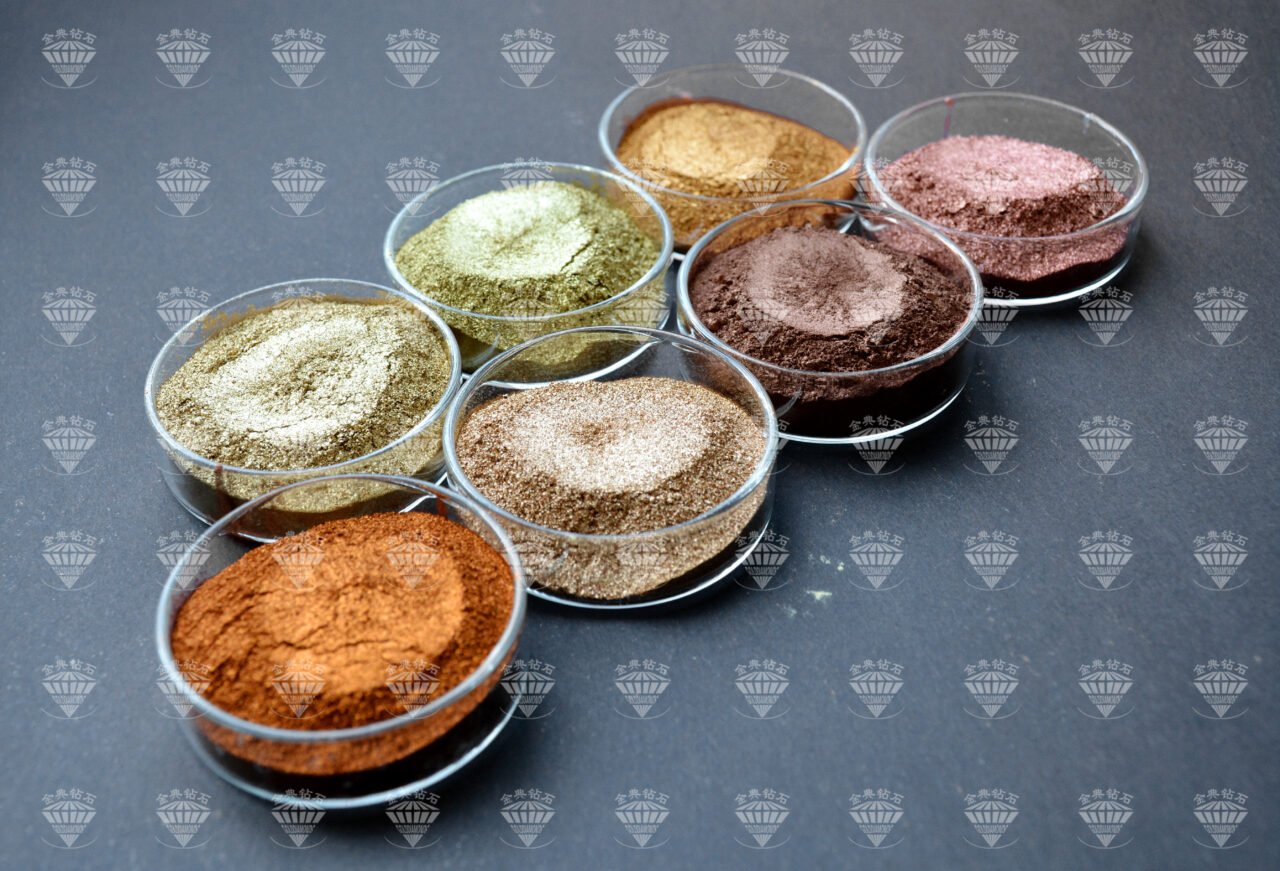
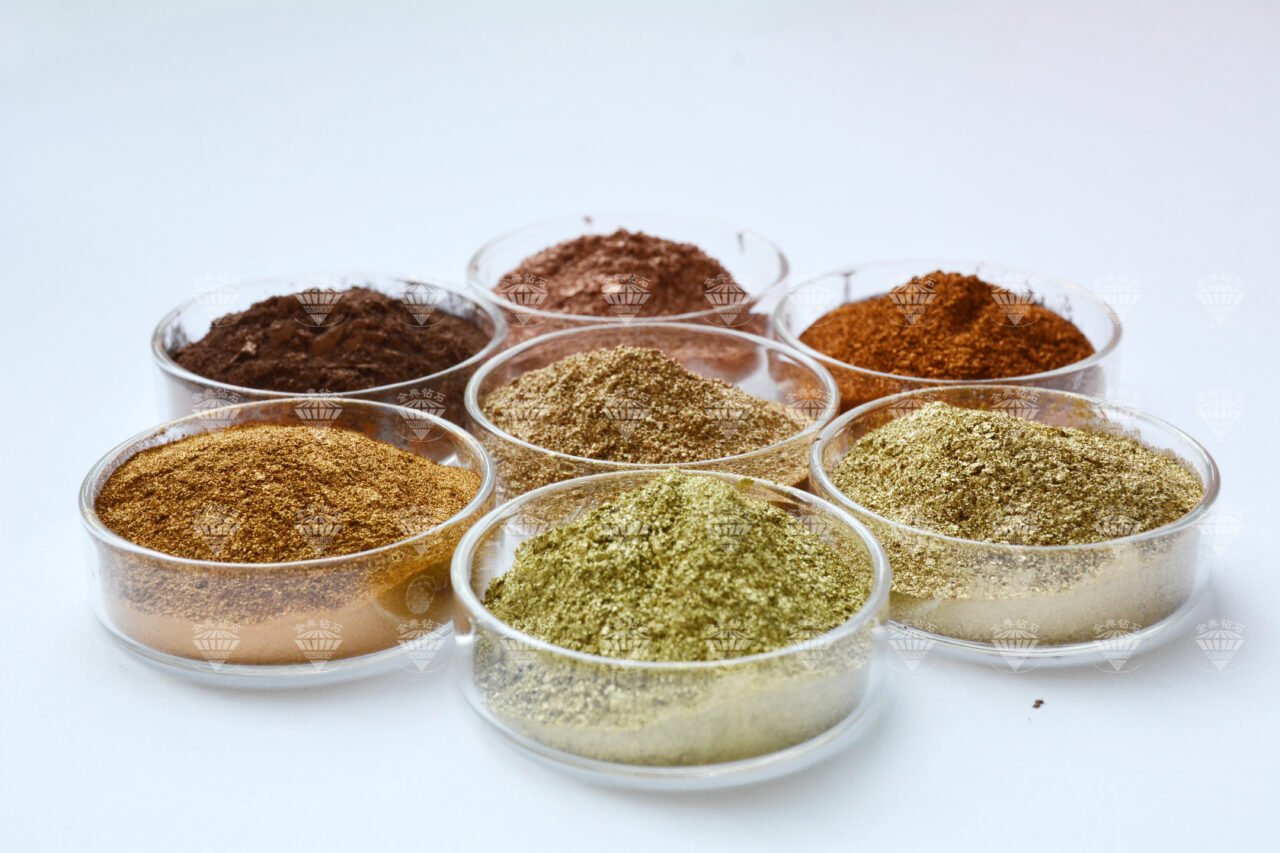
Bronze powder (a copper-zinc alloy pigment, often referred to as gold powder) is widely used across printing inks, industrial coatings, plastics, and luxury packaging to deliver rich, metallic gold finishes. However, due to its high surface area and chemical reactivity, bronze powder is highly sensitive to moisture, elevated temperatures, and atmospheric oxygen.
Improper storage leads to oxidation, darkening, and loss of leafing properties, while unsafe handling can trigger serious occupational risks, including combustible dust explosions.
This guide provides a comprehensive operational framework on how to store and transport bronze powder safely, extend its shelf life up to 24 months, and remain strictly compliant with Environmental Health and Safety (EHS) regulations.
1. Controlling the Storage Environment to Extend Shelf Life
Under optimal storage conditions, standard bronze powder maintains a shelf life of 12 to 24 months. Uncontrolled humidity or heat degrades the fatty acid surface coating (such as stearic acid) on the flake surfaces, leading to oxidation, dullness, and agglomeration.
| Environmental Factor | Recommended Operating Target | Operational Risk of Non-Compliance |
| Temperature | 15°C – 25°C (59°F – 77°F) | Temperatures above 35°C accelerate lubricant desorption and speed up metal oxidation. |
| Relative Humidity (RH) | Below 50% RH (Dry Storage) | Moisture triggers electrochemical corrosion, resulting in tarnish and clumping. |
| Packaging Seal | Airtight PE inner bags + Steel/Plastic drums | Oxygen exposure gradually causes surface oxidation and destroys leafing ability. |
| Chemical Segregation | Isolate from acids, alkalis, and oxidizers | Acidic/alkaline fumes cause rapid exothermic reactions and degradation. |
Warehouse Best Practice: FEFO Protocol & Nitrogen Purging
Always enforce a strict First-Expired, First-Out (FEFO) inventory protocol. Once a drum is opened, squeeze out excess air from the polyethylene inner bag immediately. If the remaining material will not be consumed within 7 days, purge the bag with dry nitrogen gas (N2) before resealing.
2. Safe Handling Procedures & Combustible Dust Risk Mitigation
Fine metallic powders can form explosive dust clouds when suspended in air in sufficient concentrations. Safety managers must strictly enforce static control and low-dispersion handling procedures on the factory floor:
A. Grounding & Static Charge Elimination
- Equipotential Bonding: All metal drums, mixing vessels, transfer hoppers, and pipelines MUST be electrically bonded and grounded (grounding resistance < 100Ω).
- Non-Sparking Tools: Always use non-sparking tools made of bronze, brass, or conductive polymer when opening containers or scooping powder. Never use carbon steel tools.
B. Dust Cloud Prevention & Ventilation
- Low-Drop Transfer: Avoid aggressive pouring, shaking, or high-altitude dumping. Use vacuum transfer systems or low-drop feeding mechanisms.
- Explosion-Proof LEV Systems: Dust extraction units must feature anti-static filter media, ATEX/EX-rated motors, and certified explosion venting panels.
CRITICAL EHS ALERT: Metal Fire Extinguishing Standard
NEVER use water, foam, or (CO2) extinguishers on a bronze powder fire. Hot copper/zinc powder reacts violently with water to generate volatile hydrogen gas (H2), causing secondary catastrophic explosions. Use Class D metal fire extinguishers, dry sand, or flux materials to smother metal fires.
3. Operator Personal Protective Equipment (PPE)
To prevent inhalation, skin absorption, and eye irritation during handling, operators must be equipped with full protective gear:
- Respiratory Protection: NIOSH-approved N95 or P2 particulate respirators (FFP2/FFP3 for fine grade powders < 10μm).
- Eye & Face Protection: Sealed, anti-fog safety goggles to prevent airborne dust ingress.
- Body & Hand Protection: Anti-static cotton coveralls, grounding footwear, and chemical/dust-resistant nitrile gloves.
4. Emergency Spill Clean-up & Transportation Compliance
- Spill Response Protocol: Never dry-sweep or clean spills using compressed air, as this creates a dangerous airborne dust cloud. Use an explosion-proof Class D industrial vacuum cleaner or lightly moisten the spill area with mineral spirits/high-boiling solvent before carefully sweeping with a non-sparking broom.
- Transport Packaging Standards: Package in UN-certified heavy-duty fiber or steel drums lined with moisture-barrier polyethylene bags. Drums must carry appropriate hazard labels for flammable solids and combustible dusts during transit.
Key Takeaways for Plant Managers
Maintaining the premium brilliance and performance of bronze powder relies on a dual strategy: environmental moisture control to protect pigment quality, and stringent anti-static grounding to safeguard workers and facilities. Adhering to these industry standards ensures both long-term product stability and operational safety compliance.